

When water damage strikes, time is of the essence. Discover essential tips and tricks for swift 24-hour water damage restoration to recover with confidence.
Understanding Water Damage: Causes and Types
Water damage can strike suddenly and wreak havoc on your home or business. The causes of water damage are varied but often include natural disasters such as floods, hurricanes, and heavy storms. However, everyday problems like burst pipes, leaking roofs, and malfunctioning appliances can also lead to significant water damage. Understanding the root cause is essential to effectively tackle the issue and prevent it from recurring.
Additionally, water damage can be categorized into three types: clean water, gray water, and black water. Clean water damage typically comes from rain, condensation, or leaky pipes and poses minimal health risks. Gray water refers to wastewater from appliances like dishwashers and washing machines; it contains some contaminants but is not as hazardous as black water. Black water is the most dangerous type, originating from sewage backups or natural flooding, and contains harmful bacteria and pathogens. Each type of water damage requires a specific approach for effective cleanup and restoration.
Knowing the source and type of water damage you’re dealing with can help you take appropriate action. For instance, clean water spills might be manageable on your own, whereas black water contamination demands professional intervention. Being informed about these differences is the first step in devising a suitable restoration plan. Our 24 hour water damage restoration can assist with all these needs.
The Importance of Immediate Action
When water damage occurs, delaying action can lead to severe consequences, such as structural damage, mold growth, and health hazards. The initial 24 hours are critical for mitigating the extent of the damage so call our 24 hour water damage restoration service. During this period, you can prevent the water from seeping into walls, floors, and furniture, causing more extensive and expensive repairs.
Swift action is particularly crucial in preventing mold growth. Mold can begin to develop within 24 to 48 hours of water exposure. Once mold spores spread, they can cause respiratory issues, allergies, and other health problems. Moreover, mold remediation is often costly and complex, making it imperative to act quickly to minimize these risks.
In addition to health concerns, immediate action can save you money in the long run. The longer water sits, the more damage it can cause, leading to higher repair costs. Quick response efforts, such as water extraction and drying, can significantly reduce the overall impact and expense of water damage restoration. Acting promptly ensures a more efficient and less stressful recovery process.
Assessing the Damage: What to Look For?
Before you begin the restoration process, it’s essential to assess the extent of the water damage thoroughly. Start by identifying the source of the water and ensuring it has been stopped or contained. Then, examine the affected areas, including walls, floors, ceilings, and furniture, to determine the severity of the damage.
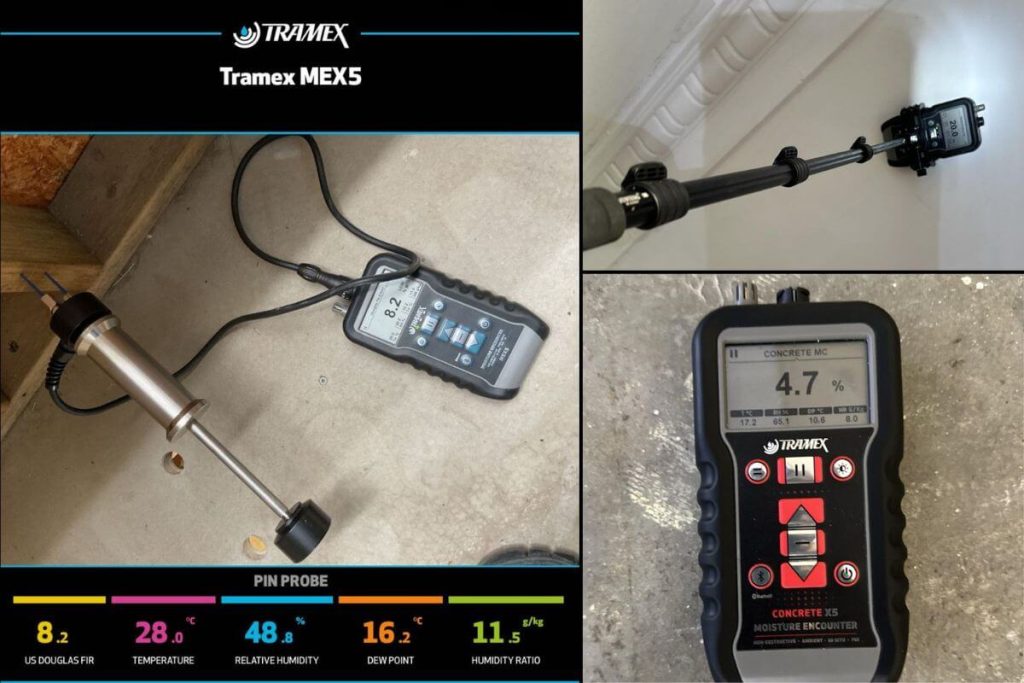
Look for visible signs of water damage, such as discoloration, warping, and peeling paint or wallpaper. Pay close attention to any musty odors, as these can indicate hidden moisture and potential mold growth. Use a moisture meter to detect moisture levels in walls and floors, helping you identify areas that may require more intensive drying efforts.
Don’t forget to check less obvious places, such as basements, crawl spaces, and attics. These areas are often prone to water damage but can be easily overlooked. Thoroughly documenting the damage with photographs and detailed notes will be invaluable when filing an insurance claim and communicating with restoration professionals.
DIY vs. Professional Water Damage Restoration
When faced with water damage, you may wonder whether to tackle the cleanup yourself or hire a professional restoration service. Both options have their pros and cons, and the best choice depends on the severity and type of water damage, as well as your skills and resources.
DIY water damage restoration can be a cost-effective solution for minor incidents involving clean water. With the right tools and equipment, you can extract water, dry affected areas, and sanitize surfaces. However, DIY efforts may not be sufficient for more severe damage or situations involving gray or black water, which pose significant health risks and require specialized knowledge.
Professional water damage restoration services offer expertise, advanced equipment, and comprehensive solutions. Our 24 hour water damage restoration company can quickly assess the damage, develop a tailored restoration plan, and efficiently execute the necessary steps. Professionals are also adept at handling complex issues like mold remediation and structural repairs, ensuring a thorough and effective recovery. While hiring professionals may be more expensive upfront, their expertise can save you time, stress, and potential costs from improper DIY efforts.
Essential Tools and Equipment for Water Damage Recovery
Whether you decide to go the DIY route or hire professionals, having the right tools and equipment is crucial for effective water damage recovery. Essential items include water extraction devices, dehumidifiers, fans, and air movers. These tools help remove standing water and moisture, promoting faster drying and preventing mold growth.
Water extraction devices, such as wet/dry vacuums and submersible pumps, are essential for removing large volumes of water. Dehumidifiers and air movers work together to reduce humidity levels and circulate air, speeding up the drying process. High-capacity dehumidifiers are particularly useful for large spaces or severe water damage, while smaller units may suffice for minor incidents.
In addition to drying equipment, you’ll need cleaning and sanitizing supplies to address potential contaminants. Disinfectants, antimicrobial treatments, and mold inhibitors help ensure a safe and healthy environment. Personal protective equipment (PPE), such as gloves, masks, and goggles, is also essential to protect yourself from potential hazards during the cleanup process. Having the right tools and equipment on hand can significantly enhance the efficiency and effectiveness of your water damage restoration efforts.
Step-by-Step Guide to Water Damage Cleanup
A structured approach to water damage cleanup can make the process more manageable and effective. Follow these steps to ensure a thorough restoration:
- Safety First: Before starting any cleanup, ensure the area is safe. Turn off electricity and gas supplies to prevent accidents. Wear PPE to protect yourself from contaminants and hazards.
- Stop the Water Source: Identify and stop the source of water to prevent further damage. This may involve shutting off the main water supply, repairing a burst pipe, or addressing roof leaks.
- Remove Standing Water: Use water extraction devices to remove standing water from the affected areas. Wet/dry vacuums and submersible pumps are effective tools for this task.
- Dry the Area: Set up dehumidifiers, fans, and air movers to dry the affected areas. Ensure good air circulation to speed up the drying process. Monitor moisture levels with a moisture meter to track progress.
- Clean and Disinfect: Clean and sanitize all surfaces to remove contaminants and prevent mold growth. Use disinfectants and antimicrobial treatments to ensure a safe environment.
- Inspect for Mold: Check for signs of mold growth, especially in hidden areas like behind walls and under flooring. If you detect mold, take appropriate measures for remediation or seek professional help.
- Repair and Restore: Once the area is dry and clean, assess the need for repairs and restoration. This may include replacing damaged drywall, flooring, and insulation. Ensure all repairs are done to code and with quality materials to prevent future issues.
Following these steps can help you effectively manage water damage cleanup and minimize the long-term impact on your property.
Preventing Mold Growth After Water Damage
Preventing mold growth is a critical aspect of water damage restoration. Mold can start growing within 24 to 48 hours of water exposure, making prompt and thorough drying essential. To prevent mold growth, ensure all affected areas are completely dry and free of moisture.
Use dehumidifiers and air movers to reduce humidity levels and promote air circulation. Keep windows and doors open to facilitate ventilation. Regularly check moisture levels with a moisture meter to ensure the drying process is effective. Pay special attention to hidden areas, such as behind walls, under flooring, and inside cabinets, where mold can thrive unnoticed.
In addition to drying, cleaning and disinfecting surfaces with antimicrobial treatments can help prevent mold growth. Remove and discard any porous materials, such as carpeting, insulation, and drywall, that have been saturated with water. These materials can harbor mold spores and are difficult to clean thoroughly. By taking these preventive measures, you can significantly reduce the risk of mold growth and protect your property and health.
Insurance Claims: What You Need to Know

Filing an insurance claim for water damage can be a daunting process, but understanding the steps and requirements can help you navigate it more smoothly. Start by reviewing your insurance policy to determine what types of water damage are covered. Some policies may exclude certain types of damage, such Understanding Water Damage: Causes and Types
Water damage can strike without warning, leaving homeowners grappling with the aftermath. Understanding the causes and types of water damage is the first step in effective restoration. Common causes include natural disasters such as floods, heavy rains, and hurricanes. However, even everyday occurrences like a burst pipe, leaky roof, or malfunctioning appliance can cause significant water damage if not addressed promptly.
There are three primary categories of water damage. Category 1, or “clean water” damage, originates from a sanitary source like a broken water supply line or a leaky faucet. Category 2, known as “gray water,” contains contaminants that may cause illness, such as water from a washing machine, dishwasher, or toilet overflow. Category 3, or “black water,” is highly contaminated and can cause severe health issues. This includes sewage, rising floodwater, or stagnant water that supports bacterial growth.
Recognizing the type of water damage you are dealing with is crucial as it dictates the urgency and methods of restoration. Clean water damage, while still requiring swift action, is less hazardous compared to gray or black water damage, which necessitates professional intervention due to the health risks posed by contaminants.
Long-Term Solutions to Avoid Future Water Damage
Preventing future water damage requires a proactive approach and regular maintenance. Start by inspecting your home for potential vulnerabilities, such as aging pipes, faulty appliances, and poor drainage systems. Address these issues promptly to reduce the risk of water damage.
Install water leak detection devices in areas prone to water damage, such as basements, kitchens, and bathrooms. These devices can alert you to leaks early, allowing you to take action before significant damage occurs. Regularly maintain your roof, gutters, and downspouts to ensure they are in good condition and directing water away from your home.
Consider investing in a sump pump for your basement to protect against flooding. Ensure that your home’s foundation is properly sealed and graded to prevent water intrusion. By implementing these long-term solutions, you can significantly reduce the risk of future water damage and protect your home and belongings.
Conclusion: Have or 24 hour water damage restoration on speed dial
Water damage can strike unexpectedly, but with the right knowledge and preparation, you can effectively manage and recover from these incidents. Understanding the causes and types of water damage, taking immediate action, and conducting thorough assessments are essential steps in the restoration process.
Whether you choose to handle the cleanup yourself or hire professionals, having the right tools and equipment is crucial. Following a step-by-step guide can help you navigate the complexities of water damage cleanup and prevent mold growth. Understanding the insurance claims process and implementing long-term solutions can further protect your home from future incidents.
By staying prepared and informed, you can confidently face water emergencies and ensure a swift and effective recovery. Remember, time is of the essence when dealing with water damage, so act quickly and decisively to minimize the impact on your home and health. Call our 24 hour water damage restoration service for direct assistance.
