

When a burst pipe strikes, quick action is essential to minimize water damage. Discover expert tips to navigate fast repairs and protect your home effectively.
Understanding Burst Pipes: Causes and Consequences
A burst pipe is one of the most severe and stressful plumbing emergencies a homeowner can face. Understanding its causes and consequences is crucial in preventing and addressing the issue effectively. One common cause of burst pipes is freezing temperatures. When water inside the pipes freezes, it expands, exerting immense pressure on the pipe walls until they eventually crack or burst. Another frequent cause is high water pressure. If the pressure exceeds the pipe’s capacity, it can lead to a rupture. Additionally, corrosion over time weakens pipes, making them susceptible to bursting. Poor installation or the use of substandard materials can also contribute to the problem.
The consequences of a burst pipe can be devastating and far-reaching. The immediate aftermath usually involves significant water leakage, which can flood your home within minutes. This flooding can damage floors, walls, and ceilings, leading to costly repairs. Moreover, water exposure can ruin personal belongings, including furniture, electronics, and cherished keepsakes. The longer the water sits, the more severe the damage becomes. Mold growth is another serious consequence that can occur within 24 to 48 hours. Mold not only causes structural damage but also poses health risks, particularly to individuals with respiratory conditions.
Beyond physical damage, the emotional and financial toll of a burst pipe can be overwhelming. Homeowners may face temporary displacement while repairs are underway, disrupting daily life and routines. The cost of repairs and restoration can quickly add up, especially if the damage is extensive. In some cases, homeowners may need to replace entire sections of their plumbing system or invest in mold remediation services. Understanding the causes and consequences of burst pipes underscores the importance of swift action and preventive measures to protect your home and well-being.
Immediate Actions to Take After a Pipe Bursts
When a pipe bursts, immediate action is crucial to limit water damage and mitigate the impact on your home. The first step is to locate and shut off the main water supply valve. This valve is typically found near the water meter or where the main water line enters your home. Turning off the water supply will stop the flow of water and prevent further flooding. It’s essential to familiarize yourself with the location of this valve and how to operate it before an emergency occurs.
Once the water supply is shut off, the next step is to drain the remaining water from the pipes. Turn on all the faucets in your home, starting with the lowest point and moving upwards. This will allow any trapped water to escape, reducing the risk of additional leaks. If the burst pipe is located in an area with electrical outlets or appliances, it’s crucial to turn off the electricity to that section of your home to avoid electrical hazards. Use the circuit breaker to cut off power to the affected area.
After ensuring the immediate safety of your home, it’s time to address the water damage. Use towels, mops, and buckets to soak up and remove as much water as possible. If the flooding is extensive, you may need to use a wet/dry vacuum to expedite the process. Open windows and doors to promote air circulation and speed up drying. Set up fans and dehumidifiers to help remove moisture from the air and prevent mold growth. Document the damage by taking photos and videos, as this will be useful for insurance claims and repair assessments. Acting swiftly and efficiently can significantly reduce the extent of water damage and facilitate a smoother repair process.
Assessing Water Damage: Key Signs to Look For
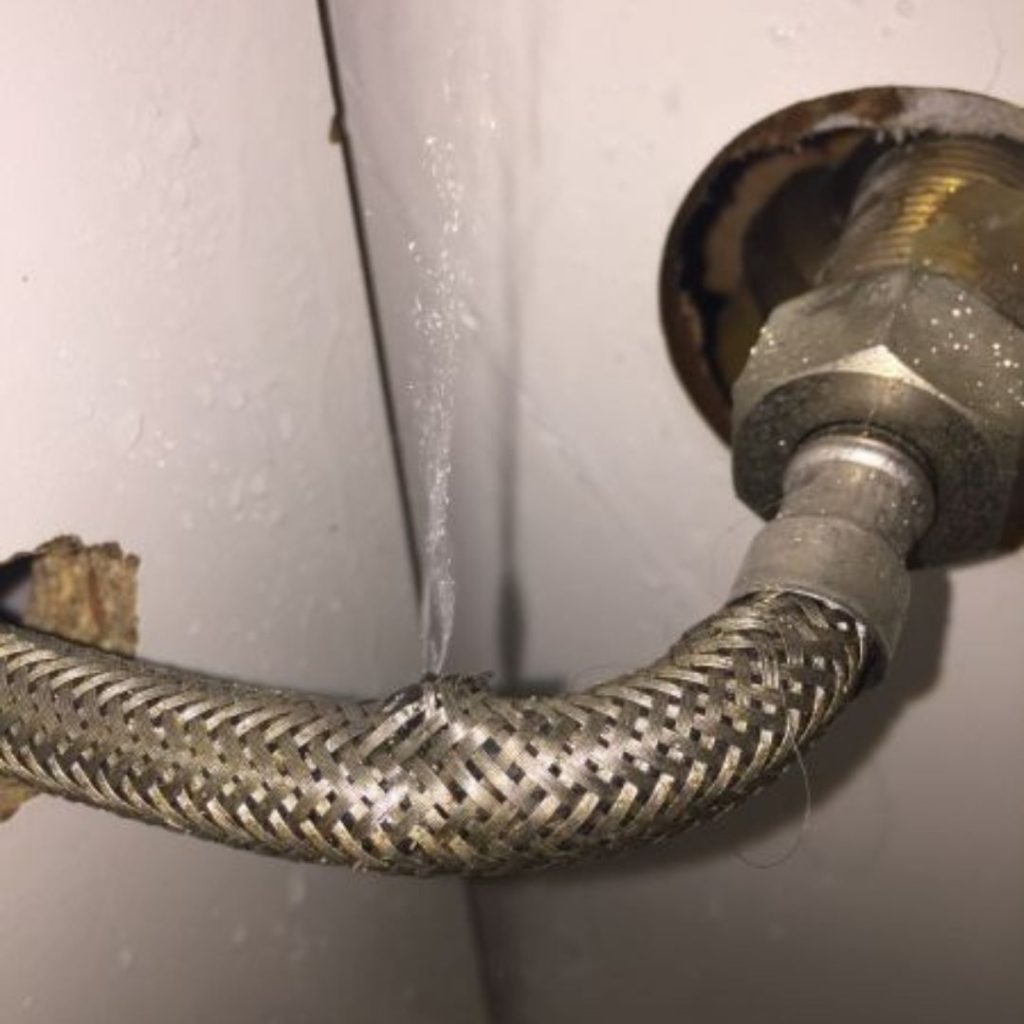
Assessing water damage accurately is vital in determining the extent of repairs needed and preventing further issues. One of the first signs to look for is discoloration on walls, ceilings, and floors. Water stains often appear as dark or yellowish patches and can indicate areas where water has seeped through. Pay close attention to baseboards and corners, as water tends to accumulate in these spots. Peeling paint or wallpaper is another indicator of water damage, signaling that moisture has compromised the adhesive.
Warping and buckling of materials are also telltale signs of water damage. Wooden floors may start to warp, and laminate flooring can buckle and lift. Carpets may feel damp and emit a musty odor, indicating that water has soaked through to the padding underneath. Check for soft or spongy spots on floors and walls, as these can signify that the underlying structure has absorbed water and weakened. In extreme cases, you may notice sagging ceilings or walls, which require immediate attention to prevent collapse.
Mold growth is another critical sign of water damage and can pose serious health risks. Mold thrives in damp, dark environments, and its presence often manifests as black, green, or white patches on surfaces. A musty smell is a strong indicator of mold, even if it’s not immediately visible. Inspect hidden areas such as behind furniture, inside cabinets, and under sinks, as mold can develop in these secluded spots. Mold not only damages surfaces but can also release spores into the air, exacerbating respiratory issues and allergies. Identifying and addressing mold promptly is essential to maintain a healthy living environment.
Essential Tools and Materials for Repairing Burst Pipes
Having the right tools and materials on hand is crucial for effectively repairing a burst pipe. One of the essential tools is a pipe cutter or hacksaw, which allows you to cut out the damaged section of the pipe cleanly. A pipe wrench or adjustable wrench is necessary for loosening and tightening pipe fittings. For temporary fixes, a pipe repair clamp or sleeve can be invaluable. These clamps provide a quick and effective solution by sealing the burst area and stopping the leak until a permanent repair can be made.
When it comes to materials, having various pipe fittings is essential. These include couplings, elbows, and T-fittings, which are used to connect new sections of pipe to the existing plumbing system. Depending on the type of pipe, you may need PVC, copper, or PEX fittings. Teflon tape is another must-have material, used to create a watertight seal on threaded pipe connections. Pipe joint compound, also known as pipe dope, serves a similar purpose and provides an additional layer of leak protection.
For more permanent repairs, you may need to replace a section of the pipe. Having the appropriate type and size of pipe is crucial. PVC pipes are commonly used for cold water lines, while copper and PEX pipes are suitable for both hot and cold water. A pipe deburring tool is essential for smoothing out the edges of cut pipes, ensuring a secure and leak-free connection. Additionally, a propane torch, solder, and flux are necessary for soldering copper pipes. Having a well-stocked plumbing toolkit can make the repair process more efficient and reduce the likelihood of future leaks.
Step-by-Step Guide to Repairing a Burst Pipe
Repairing a burst pipe may seem daunting, but with the right approach and tools, it can be manageable. The following step-by-step guide provides a clear and comprehensive process for addressing the issue. Begin by shutting off the main water supply to prevent further flooding. Next, drain the remaining water from the pipes by opening all faucets, which will also relieve any pressure in the system. Ensure that the affected area is dry and free from electrical hazards before proceeding with the repair.
Identify the damaged section of the pipe and use a pipe cutter or hacksaw to cut out the burst area. Make sure to cut at least one inch on either side of the damaged section to ensure a clean and secure fit for the replacement pipe. Use a pipe deburring tool to smooth the edges of the cut pipes, preventing any rough spots that could impede a proper seal. Measure and cut a new section of pipe to fit the gap, ensuring that it matches the type and size of the existing pipe.
For PVC pipes, apply PVC primer to the ends of the new pipe and the existing pipe. Once the primer has dried, apply PVC cement to both surfaces and quickly join the pipes together, holding them in place for a few seconds to ensure a secure bond. For copper pipes, use a propane torch to heat the ends of the existing pipe and the new pipe section. Apply flux to the joints and use solder to create a watertight seal. For PEX pipes, use crimp or clamp fittings to connect the new section, ensuring that the fittings are secure and leak-free.
Once the new pipe section is in place, turn on the main water supply and check for any leaks. If the connections are secure and no leaks are detected, the repair is complete. Turn on all faucets to ensure that water flows smoothly through the repaired section. If any issues arise, such as persistent leaks or low water pressure, it may be necessary to re-evaluate the repair or consult a professional plumber. Following this step-by-step guide can help you effectively address a burst pipe and restore your plumbing system to proper working order.
When to Call a Professional: Signs You Need Help
While many burst pipe repairs can be handled by homeowners, there are certain situations where professional help is essential. One key sign that you need a professional plumber is extensive water damage. If the burst pipe has caused significant flooding, affecting multiple rooms or levels of your home, it’s crucial to call in experts to assess and repair the damage. Professional plumbers have the experience and equipment to handle large-scale water damage and can ensure that your home is properly dried and restored.
Another indication that you need professional assistance is if the burst pipe is located in a hard-to-reach area. Pipes that are hidden behind walls, under floors, or in ceilings can be challenging to access and repair without causing further damage. A professional plumber can use specialized tools and techniques to locate and fix the burst pipe with minimal disruption to your home. Additionally, if the burst pipe is part of a complex plumbing system, such as a hydronic heating system or a multi-story building, it’s best to leave the repair to a professional with expertise in these systems.
Persistent leaks or recurring pipe bursts are also signs that you need professional help. If you’ve attempted to repair a burst pipe multiple times without success, it’s likely that there is an underlying issue that needs to be addressed. A professional plumber can conduct a thorough inspection of your plumbing system to identify the root cause of the problem and recommend a long-term solution. This may involve replacing outdated or corroded pipes, addressing water pressure issues, or implementing preventive measures to protect your plumbing system from future damage.
Preventing Future Burst Pipes: Maintenance Tips
Preventing burst pipes requires proactive maintenance and attention to your plumbing system. One of the most effective ways to prevent pipes from bursting in cold weather is to insulate them. Pipe insulation is relatively inexpensive and can be easily installed on exposed pipes in unheated areas such as basements, attics, and crawl spaces. Insulating your pipes helps maintain a consistent temperature and prevents freezing, which is a common cause of burst pipes. Additionally, consider insulating your home’s exterior walls and sealing any gaps or cracks to keep the cold air out.
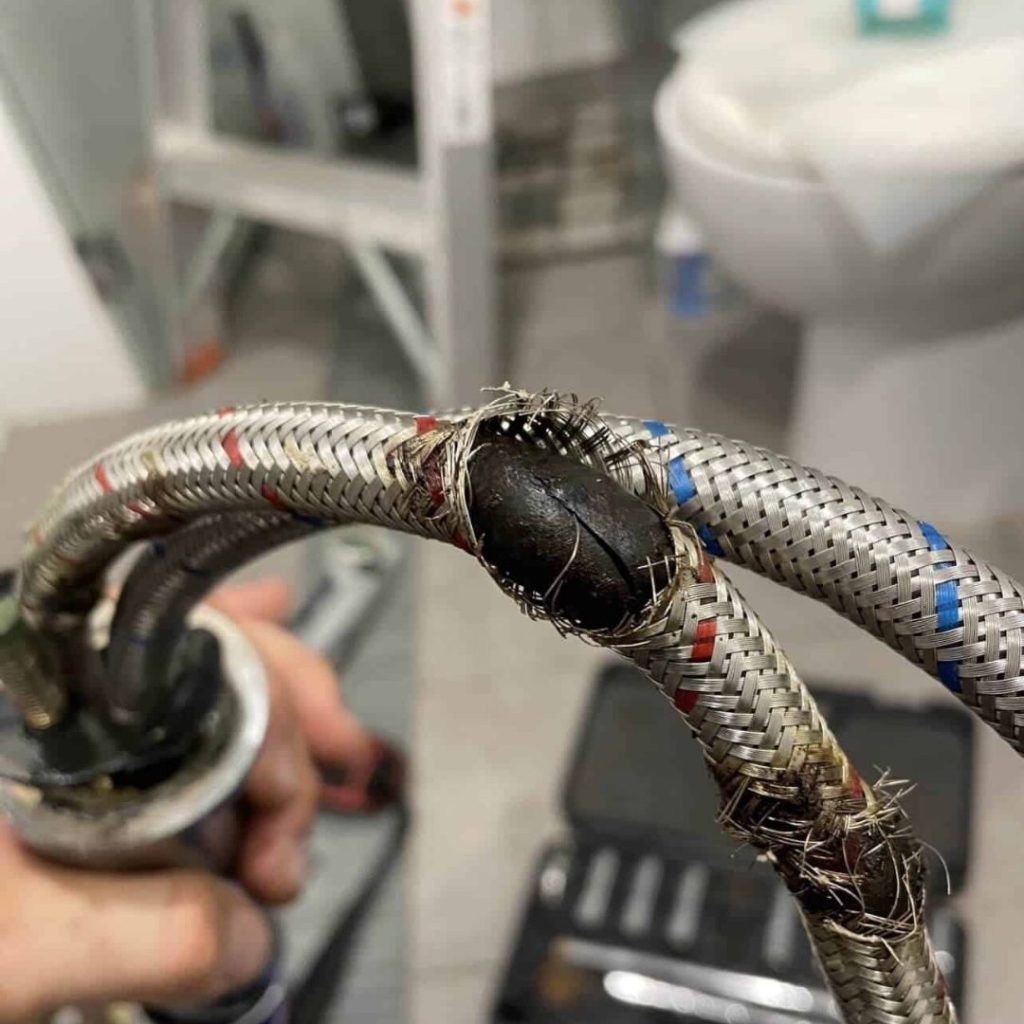
Regularly inspecting your plumbing system for signs of wear and tear can also help prevent burst pipes. Look for any visible corrosion, rust, or mineral buildup on pipes and fittings, as these can weaken the pipes over time. Pay attention to any unusual sounds, such as banging or rattling, which could indicate loose or damaged pipes. If you notice any leaks, even small ones, address them promptly to prevent them from worsening. Regularly check your water pressure and ensure that it is within the recommended range, as high water pressure can strain your pipes and lead to bursts.
Another important maintenance tip is to keep your plumbing system in good working order by scheduling regular professional inspections. A licensed plumber can identify potential issues before they become major problems and recommend necessary repairs or upgrades. During these inspections, the plumber can also check for proper pipe insulation, test water pressure, and ensure that all fittings and connections are secure. Additionally, consider installing a water leak detection system, which can alert you to leaks early on and prevent extensive water damage. By following these maintenance tips, you can significantly reduce the risk of burst pipes and protect your home from water damage.
The Importance of Water Damage Restoration
Water damage restoration is a critical aspect of addressing the aftermath of a burst pipe. Prompt and thorough restoration not only repairs the visible damage but also addresses hidden issues that could lead to further problems. One of the primary reasons for water damage restoration is to prevent mold growth. Mold can develop quickly in damp environments and poses serious health risks, including respiratory issues and allergic reactions. Professional restoration services use specialized equipment to thoroughly dry affected areas, removing excess moisture and reducing the risk of mold development.
Another important aspect of water damage restoration is repairing structural damage. Water can weaken the integrity of walls, floors, and ceilings, leading to potential safety hazards. Professional restoration services assess the extent of the damage and implement necessary repairs to restore the structural integrity of your home. This may involve replacing damaged drywall, reinforcing weakened support beams, and repairing or replacing flooring. Ensuring that your home’s structure is sound is essential for the safety and longevity of your property.
Water damage restoration also includes addressing potential electrical hazards. Water and electricity are a dangerous combination, and flooding can damage electrical outlets, wiring, and appliances. Restoration professionals are trained to identify and mitigate these hazards, ensuring that your home’s electrical system is safe and functional. This may involve replacing damaged outlets, inspecting wiring for corrosion or damage, and testing appliances to ensure they are safe to use. By addressing these critical issues, water damage restoration provides peace of mind and helps restore your home to its pre-damage condition.
Insurance Considerations for Water Damage Claims
Dealing with the aftermath of a burst pipe often involves navigating the complexities of insurance claims. Understanding your insurance policy and the coverage it provides is essential for a smooth claims process. Most standard homeowner’s insurance policies cover sudden and accidental water damage, including burst pipes. However, it’s important to review your policy to understand the specific terms and conditions. Some policies may have exclusions or limitations, such as not covering damage caused by negligence or lack of maintenance.
When filing a water damage claim, it’s crucial to document the damage thoroughly. Take clear photos and videos of the affected areas, including any damaged personal belongings. Keep a detailed inventory of the damaged items, noting their value and condition before the incident. This documentation will be invaluable when submitting your claim to the insurance company. Additionally, keep receipts for any expenses related to the damage, such as temporary repairs, water extraction, and restoration services. These expenses may be reimbursable under your policy.
Communicating with your insurance company promptly is also important. Notify them of the burst pipe and water damage as soon as possible, following their specific procedures for filing a claim. An insurance adjuster will likely visit your home to assess the damage and determine the extent of coverage. Be prepared to provide all necessary documentation and answer any questions they may have. Working with a reputable water damage restoration company can also be beneficial, as they often have experience dealing with insurance claims and can provide detailed reports and estimates for repairs. Understanding your insurance coverage and following the proper procedures can help ensure a successful and timely resolution to your water damage claim.
