

Understanding the Signs, Risks, and Real Causes in Perth Properties
Mould is one of the most common yet poorly understood indoor environmental issues affecting Australian homes. It is frequently dismissed as a cleaning problem or a cosmetic nuisance, when in reality mould is almost always a symptom of persistent moisture and underlying building defects. In Perth homes, mould is most commonly linked to hidden moisture issues rather than poor cleaning.
Research by the Australian Council of Social Service indicates that approximately 18 per cent of rental properties in Australia have mould present in bathrooms, highlighting a widespread and systemic housing quality issue rather than isolated maintenance failures. In Perth and across Western Australia, this risk is heightened by older housing stock, variable construction quality, coastal humidity, and delayed rectification of water ingress.
If you are asking, “Do I have mould in my home?”, the answer depends less on surface appearance and more on moisture behaviour, building performance, and occupant health indicators.
What Mould Is and Why It Develops Indoors
Mould is a type of fungus that reproduces by releasing microscopic spores into the air. These spores are naturally present in both indoor and outdoor environments and are not inherently problematic. Mould becomes an issue when spores settle on surfaces where moisture is present for prolonged periods, allowing growth and amplification.
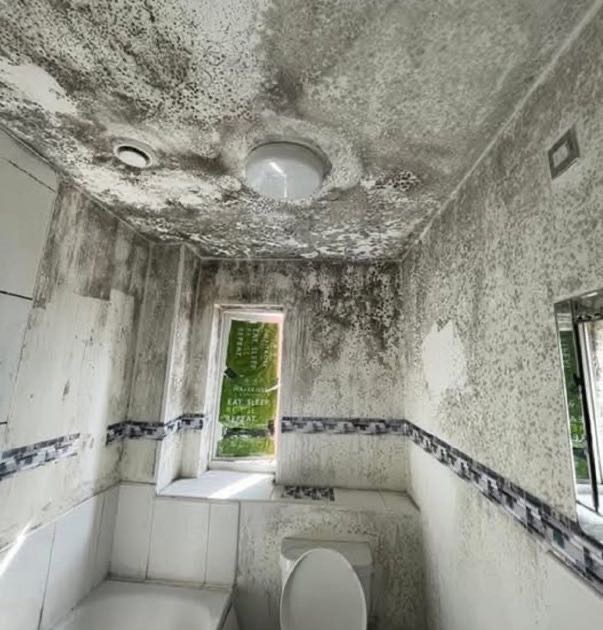
Indoor mould growth is therefore best understood as a moisture control failure, not a hygiene issue. Bathrooms, laundries, kitchens, roof cavities, wall cavities, and subfloors are particularly vulnerable because they are exposed to elevated humidity and, in many cases, insufficient ventilation.
Even short-term moisture events can trigger mould growth if materials such as plasterboard, timber, adhesives, and dust remain damp for more than 24 to 48 hours.
How to Tell If You Have Mould in Your Home
Mould is not always obvious. In many Perth homes, active growth exists behind walls, ceilings, flooring systems, or fixed cabinetry long before visible signs appear.
Visible indicators may include dark or discoloured staining on ceilings, walls, grout lines, or silicone seals. Paint that bubbles, peels, or discolours known damp areas can also indicate moisture-related deterioration rather than simple ageing. In some cases, mould presents as a pale or powdery residue that is mistaken for dust or efflorescence.
Odour is often a more reliable early warning sign. A persistent musty or earthy smell, particularly in bathrooms, wardrobes, or closed rooms, commonly indicates concealed mould growth.
Health changes inside the home can also be significant indicators. Occupants may experience increased asthma symptoms, chronic coughing, sinus irritation, eye or throat discomfort, headaches, or fatigue. Where these symptoms improve when leaving the property, indoor environmental conditions should be investigated.
Why Bathrooms Are the Most Common Problem Area
Bathrooms are designed to manage water, but they rely heavily on effective waterproofing systems and mechanical ventilation to do so. When these systems fail or are poorly designed, moisture accumulates on surfaces and within concealed cavities.
In many rental properties, bathroom mould is associated with non-functional or undersized exhaust fans, failed waterproof membranes behind tiles, leaking plumbing penetrations, or deteriorated grout and silicone seals. Moisture often becomes trapped behind vanities, baths, or shower linings, where it cannot evaporate naturally.
Older building stock and cost-driven construction methods further increase risk, particularly where maintenance and repairs are delayed.
Health Implications of Bathroom Mould
Mould in bathrooms is not merely cosmetic. Prolonged exposure to mould spores and microbial by-products has been linked to a range of adverse health effects.
Damp indoor environments are known to aggravate asthma, trigger allergic responses, and increase respiratory irritation. Children, elderly occupants, and individuals with compromised immune systems are particularly vulnerable. Studies have also linked chronic dampness with headaches, fatigue, and increased rates of respiratory infections.
From a health perspective, mould should be treated as an indoor air quality issue rather than a surface contamination issue.
What Mould Reveals About Building Performance
The presence of mould almost always indicates an underlying moisture defect within the building fabric. This may include failed waterproof membranes, inadequate ventilation design, concealed plumbing leaks, roof or stormwater ingress, or rising damp caused by capillary moisture movement.
If these defects are not addressed, mould growth will continue to recur regardless of how often surfaces are cleaned. More importantly, prolonged moisture exposure leads to progressive deterioration of building materials, including plasterboard breakdown, timber framing damage, cabinetry delamination, and loss of finish integrity.
For property owners and insurers, mould is therefore an early warning sign of escalating rectification costs if left unaddressed.
Why Cleaning Alone Does Not Solve the Problem
Surface cleaning may remove visible staining but does not address contamination within porous materials or concealed cavities. Household products such as bleach may temporarily improve appearance but often worsen moisture conditions and fail to prevent regrowth.
Recognised remediation standards such as IICRC S520 require identification and correction of the moisture source, assessment of material porosity, controlled containment to prevent cross-contamination, HEPA-filtered cleaning, and verified drying to acceptable moisture levels. Without this process, mould recurrence is highly likely.
When Professional Mould Remediation Is Required
Professional assessment is necessary when mould growth is extensive, recurring, associated with a known water damage event, or suspected within wall or ceiling cavities. It is also strongly recommended where occupants are experiencing health symptoms linked to indoor exposure.
At Perth Restoration Services, mould remediation is approached as a building science and risk management process, not a cosmetic cleaning service. The focus is on identifying cause, controlling spread, protecting occupant health, and preventing recurrence.
Mould in Rental Properties: A Shared Risk
For tenants, mould often reflects limited control over building defects, ventilation systems, and repair timelines. For landlords and property managers, mould represents a significant compliance, health, and liability issue.
The ACOSS data reinforces the importance of proactive inspections, compliant ventilation systems, timely plumbing and waterproofing repairs, and professional remediation in accordance with IICRC S500 and S520. Addressing moisture at its source, rather than relying on repeated surface cleaning, is essential to reducing mould prevalence in Australian rental housing.
Mould may be present in a home if there are persistent musty odours, visible staining on walls or ceilings, recurring condensation, or unexplained respiratory symptoms. Bathrooms and concealed cavities are common problem areas. Professional assessment is recommended where mould persists or moisture sources are suspected.
What to Do if You Suspect Mould in Perth
Early intervention is critical. Identifying moisture sources, improving ventilation, and engaging qualified professionals where required can prevent health impacts and costly structural deterioration.
If you suspect mould in your home or rental property, Perth Restoration Services provides professional mould assessment, moisture diagnostics, and compliant remediation across Perth and Western Australia.
Addressing mould correctly the first time protects occupants, preserves buildings, and reduces long-term risk.
