
Proper Mould Identification and Remediation
Mould in our homes and workplaces has become an increasing issue as buildings age and construction methods continue to evolve. Modern buildings are more airtight than ever before, which improves energy efficiency but also reduces the natural movement of air and moisture. When moisture becomes trapped, conditions can quickly form that allow mould to grow.
Commercial and Residential Mould
It’s important to understand from the outset that mould is ubiquitous. For this reason mould spores exist everywhere. They are a natural part of our environment and can never be completely removed. We also don’t want to remove them. In fact, mould plays a vital role outdoors by breaking down dead organic material and supporting natural ecological processes. However, while mould is essential in nature, active mould growth inside a home or workplace is never acceptable.
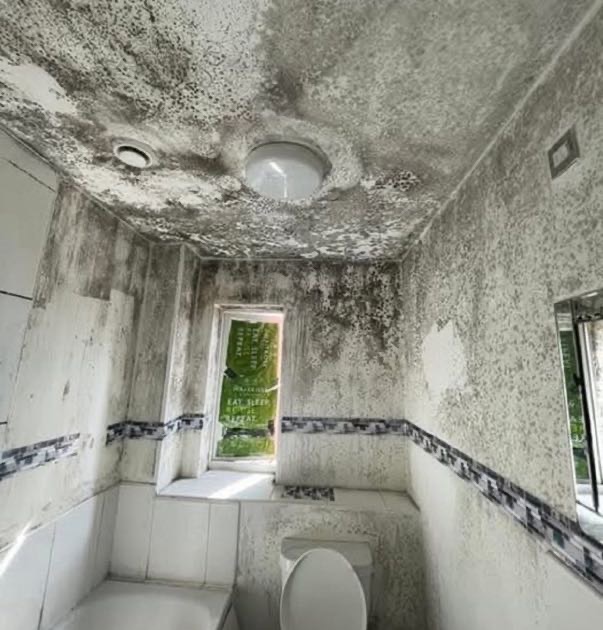
Indoor mould growth occurs when moisture levels rise high enough to support development. This can happen at relatively low thresholds, with some mould species able to grow as soon as building materials have moisture content or when indoor humidity remains above a high percentage for extended periods. Water leaks, flooding, condensation, poor ventilation and unresolved moisture damage all contribute to creating the conditions mould needs to thrive.
When mould is suspected in a residential or commercial property, the most critical first step is establishing a proper work scope. Correct identification of the affected areas, the underlying moisture source and the potential health risks is essential before any remediation begins. While a qualified mould remediation company can identify visible mould and contributing factors, best practice is to involve an independent third-party consultant, such as an occupational hygienist or environmental professional, particularly in complex, large-scale or health-sensitive environments.
Testing For Mould Onsite
It is not appropriate for the same company proposing mould removal to also perform testing or clearance assessments. This creates a clear conflict of interest and undermines the integrity of the outcome. Independent consultants work for the property owner or stakeholder, not the remediation contractor, and their role is to assess health risks, define the remediation scope, specify containment and safety requirements, and verify that the remediation has been successful before an area is returned to use. A remediation contractor should not independently certify that a space is safe for re-occupation.
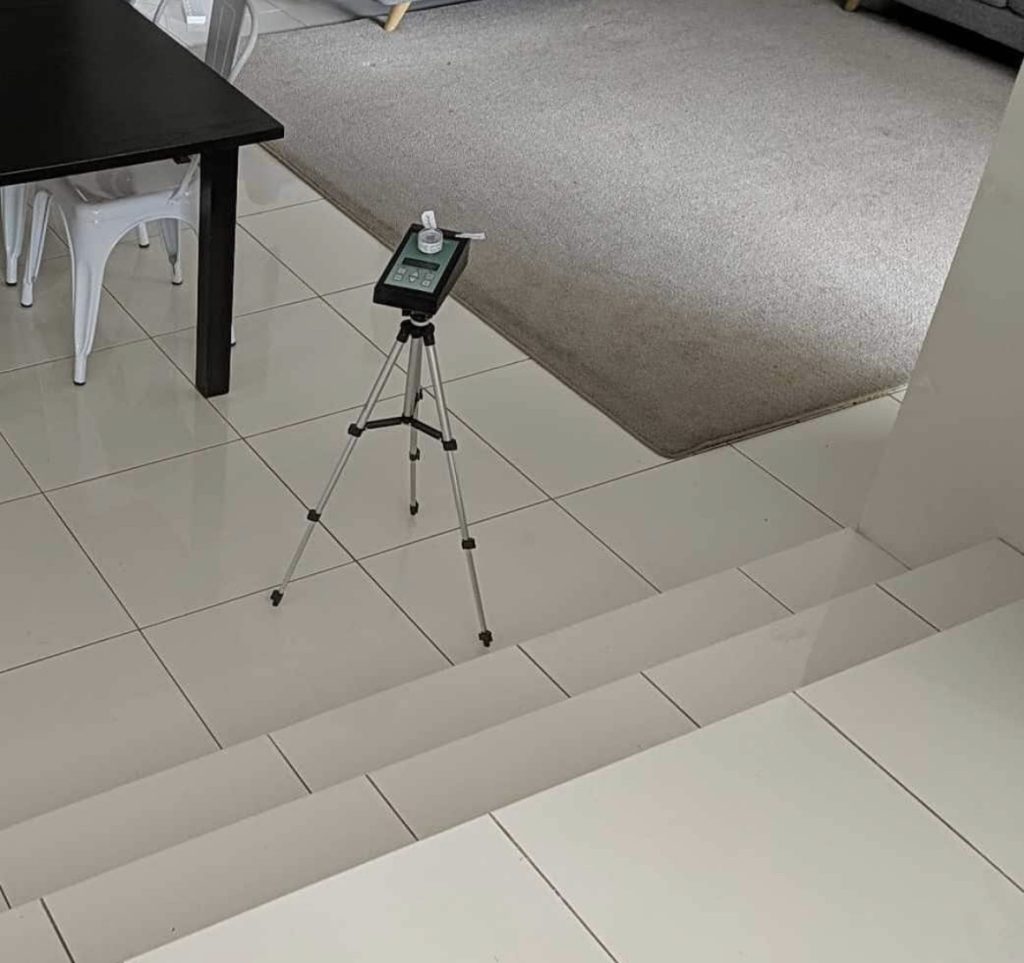
At Perth Restoration Services, we frequently encounter situations where mould issues have been mishandled due to poor scoping or a lack of professional oversight. Home inspectors and general contractors may be able to identify the presence of mould and suggest likely causes, but they are not qualified to assess health risks or determine whether remediation has been effective. Clear separation of responsibilities protects occupants, property owners, insurers and all parties involved.
What To Do If Mould Is Discovered?
Once a mould problem has been confirmed and a work plan established, remediation must follow a structured and methodical process. When completed correctly, this approach delivers consistent and reliable results. The process includes controlled containment to prevent cross-contamination, careful removal of affected materials where required, detailed cleaning of all impacted surfaces, treatment of salvageable structural elements where appropriate, and thorough final inspection. Independent post-remediation testing is then conducted to confirm that cleaning has been effective and that no ongoing health risks are anticipated.
Health And Safety Risks with Mould
Mould remediation is not simply a cleaning exercise. Shortcuts such as cosmetic cleaning, inadequate containment, failing to address the moisture source or skipping clearance testing often lead to regrowth, ongoing health complaints and costly repeat works. These failures can also result in insurance disputes and reduced property value. The health and safety risks associated with confirmed mould contamination are significant, particularly for children, elderly occupants and individuals with respiratory or immune sensitivities.
The key to successful mould remediation is doing it properly from the start. Correct identification, independent assessment, professional remediation and objective verification all work together to ensure safe, long-term outcomes. When mould is handled correctly, it protects both the building and the people who occupy it.
Perth Restoration Services provides professional mould remediation throughout Western Australia, delivering compliant, evidence-based solutions that prioritise health, safety and long-term results.