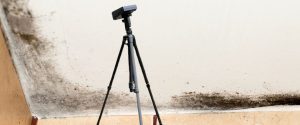
Mould inspection testing is an essential step in ensuring the safety and health of your home environment. It can go undetected, causing damage to your property and posing health risks to your family. Testing helps identify the types and concentrations of mould present, allowing for targeted and effective remediation.
One of the primary reasons for mould testing is to confirm the presence of mould spores. These might not be visible to the naked eye. Due to water damage mould can grow behind walls, under floors, and in other hidden places. By conducting a mould inspection, you can uncover these hidden infestations and take action before they cause significant damage. This proactive approach can save homeowners a lot of money in the long run. This is because it prevents costly repairs and health-related expenses.
Additionally, mould inspections are often required during real estate transactions. If you are buying or selling a home, taking mould samples can provide peace of mind. Negative results ensure that the property is safe for occupancy. For sellers, addressing mould removal issues before listing the property can enhance its marketability. Buyers can negotiate repairs or price adjustments based on the findings. In short, mould testing is a critical step in maintaining a healthy, safe, and secure home.
Perth Restoration Services’s mould testing process typically begins with a visual inspection of the property by a professional. This involves checking areas where mould is commonly found, such as bathrooms, kitchens, basements, and around windows and doors. The technician will look for visible signs of mould, as well as any conditions that could promote mould growth, such as water leaks or high humidity.
Following the visual inspection, the professional will collect samples from the suspected areas. There are several methods for collecting mould samples, including surface sampling, air sampling, and bulk sampling. Surface sampling involves swabbing or tape-lifting mould from surfaces to be analyzed in a lab. Air sampling captures airborne mould spores using special equipment, which is then analyzed to determine the concentration and types of mould present. Bulk sampling involves taking pieces of material from the affected area for lab analysis.
Once the samples are collected, they are sent to a laboratory for analysis. The lab will identify the types of mould present and their concentrations. This information is crucial for determining the extent of the infestation and developing an effective mould remediation plan. The entire mould testing process can take a few days to a week, depending on the complexity of the situation and the methods used.
There are several types of mould tests available, each with its own advantages and limitations. The most common types of mould tests include air sampling, surface sampling, and bulk sampling. Each method serves a specific purpose and can provide valuable information about the presence and extent of mould in your home.
Air sampling is one of the most widely used methods for detecting mould. This test involves using a pump to collect air samples from different areas of the home. The collected air is then analyzed for mould spores. Air sampling is particularly useful for detecting mould that is not visible to the naked eye and for assessing the overall air quality in your home. However, it’s important to note that air sampling results can be influenced by various factors, such as weather conditions and ventilation.
Surface sampling involves collecting mould samples from surfaces using swabs or tape. This method is effective for identifying the types of mould present on specific surfaces and is often used in conjunction with air sampling. Surface sampling can provide detailed information about the extent of mould contamination in a particular area, allowing for targeted remediation.
Bulk sampling can also involve taking physical pieces of material from the affected area and analyzing them in a lab. This method is useful for assessing mould growth within building materials such as drywall, insulation, and wood. Bulk sampling can provide a comprehensive understanding of the extent of the infestation and the types of mould present, making it an essential tool for thorough mould investigations.
Choosing the right mould testing company is crucial for ensuring accurate results and effective remediation. When selecting a mould testing company in Perth, it’s important to consider their experience, qualifications, and reputation. Look for a company that specializes in mould testing and has a proven track record of success.
One of the first things to check is whether the company is certified and accredited by relevant industry organizations. Certification ensures that the company follows industry standards and best practices for mould inspection. Additionally, look for a company that employs qualified and experienced professionals who are knowledgeable about mould and its impact on health and property.
It’s also important to read reviews and testimonials from previous clients. This can provide valuable insights into the company’s reliability, professionalism, and quality of service. Don’t hesitate to ask for references and speak with past clients to get a better understanding of their experience with the company. Finally, consider the company’s approach to customer service. A reputable mould testing company should be responsive, transparent, and willing to answer any questions you may have throughout the testing process.
Interpreting mould test results can be complex, but it’s crucial for understanding the extent of the infestation and determining the appropriate course of action. Mould test results typically include information about the types of mould present, their concentrations, and any potential health risks associated with them.
When reviewing mould test results, it’s important to focus on the types of mould identified. Some moulds, such as Stachybotrys (commonly known as black mould), are known to produce mycotoxins and pose significant health risks. Other moulds may be less harmful but can still cause allergic reactions and respiratory issues. Understanding the specific types of mould present can help guide the remediation process and ensure that appropriate measures are taken to address the problem.
The concentration of mould spores is another critical factor to consider. High concentrations of mould spores in the air or on surfaces can indicate a severe infestation that requires immediate attention. It’s important to compare the concentrations found in your home with typical indoor and outdoor levels to determine the severity of the problem. A qualified mould testing professional can help interpret these results and provide recommendations for mould remediation.
Our mould inspection services in Perth are designed to deliver accurate, unbiased results you can trust. We provide mould testing services for residential, including houses, apartments, and strata-managed buildings. Services are also available for commercial and public environments such as offices, retail spaces, warehouses, and community facilities.
Our service area includes Perth and surrounding suburbs such as Wangara, Burns Beach, Iluka, Joondalup, Hillarys, Sorrento, Edgewater, Currambine, Wanneroo, Woodvale, Kingsley, Peppermint Grove, Ellenbrook, Morley, Floreat, South Perth, and the Perth CBD.
Accurate, professional mould testing to identify both visible and concealed contamination, assess indoor air quality, and determine the extent, type, and likely source of microbial growth within a property. Using industry-aligned methods and controlled sampling techniques, we deliver detailed, evidence-based results that support health-focused decision-making, insurance reporting, and remediation scoping.
Our findings help minimise risk, prevent cross-contamination, and ensure works are carried out safely and in line with IICRC standards, restoring the property to a clean, compliant, and healthy indoor environment.
Book a professional mould inspection in Perth today and get clear answers, fast.
If you suspect mould or water damage onsite, yes. A professional mould inspection before purchase can uncover hidden moisture issues, past water damage, and potential health risks that aren’t visible during a standard building inspection.
Why it matters:
A mould inspection gives you clarity, leverage, and peace of mind before committing to the property.
A professional mould inspection provides a thorough assessment of your property, including moisture detection to identify the source of the problem, inspection of affected areas, and evaluation of contamination levels in line with industry standards. You’ll also receive a detailed report with findings, photos, and clear recommendations for remediation—giving you the confidence to address the issue properly and prevent it from returning.
.
The cost of a professional mould inspection in Perth typically varies depending on the size of the property, extent of the issue, and whether testing is required. Basic inspections may start from a few hundred dollars, while more detailed assessments with moisture mapping and lab testing can cost more. Investing in a thorough inspection helps identify the root cause, prevent costly damage, and ensure accurate remediation.
A typical mould inspection service in Perth involves a comprehensive assessment of the property, including moisture detection to locate hidden water sources, inspection of visible and concealed areas, and evaluation of mould growth and contamination levels. The process may also include air or surface testing where required, followed by a detailed report outlining findings, photos, and clear recommendations for effective remediation.
Mould inspection may be covered by certain insurance companies if the mould is caused by a sudden and insured event like water damage from a burst pipe or storm. However, mould from long-term moisture, poor ventilation, or maintenance issues is usually not covered. It’s best to check your policy and use a professional inspection report to support any claim.
If mould testing results are positive, the next step is to arrange professional mould remediation to safely remove contamination and address the moisture source causing the growth. Avoid disturbing affected areas, as this can spread spores. A qualified restoration specialist will follow IICRC guidelines to clean, treat, and prevent recurrence, ensuring the property is safe and compliant.


If you need to get in touch with us for an urgent matter, Call us rather on 1300 4 Restore.