

How Thermal Imaging Works for Detecting Water Leaks
Uncover hidden water leaks in your home with cutting-edge thermal imaging technology. Detect moisture quickly and protect your property effortlessly.
Thermal imaging technology utilizes infrared cameras to detect variations in temperature on surfaces, which can be indicative of water leaks. These cameras capture infrared radiation and convert it into a visual image that displays temperature differences. When water seeps into walls, floors, or ceilings, it often creates a noticeable temperature anomaly because moisture retains heat differently compared to surrounding dry materials. Infrared cameras can detect these anomalies, revealing potential leaks that are invisible to the naked eye.
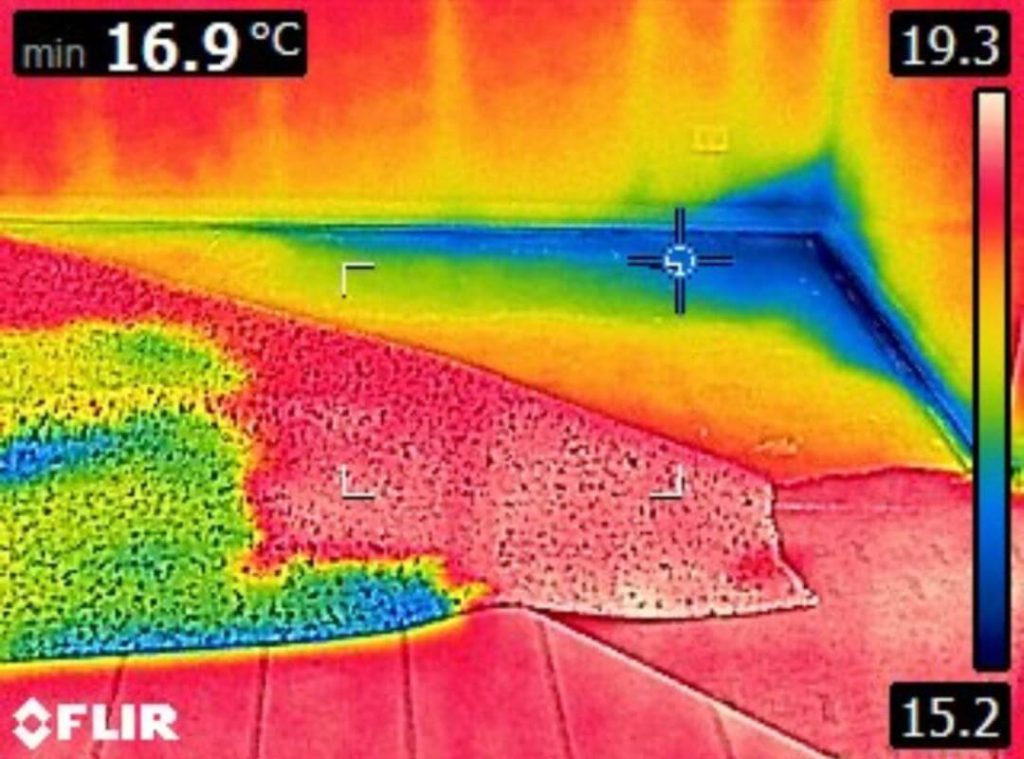
The process of thermal imaging starts with a thorough scan of the suspected area using an infrared camera. The camera captures the infrared radiation emitted by objects and translates it into a thermal image, also known as a thermogram. Thermograms display temperature variations in different colors, with warm areas typically shown in red and orange hues and cooler areas in blue and green. By analyzing these color patterns, trained professionals can pinpoint the exact location of a water leak.
One of the key benefits of thermal imaging technology is its non-invasive nature. Traditional methods of leak detection often involve disruptive and time-consuming procedures such as drilling holes or removing sections of walls and floors. In contrast, thermal imaging allows for a quick and efficient assessment without causing any damage to the property. This makes it an ideal choice for both residential and commercial applications, where minimizing disruption is a priority.
Advantages of Using Thermal Imaging To Detect Water Leaks
Thermal imaging offers several significant advantages over traditional leak detection methods, making it a preferred choice for homeowners and professionals alike. First and foremost, thermal imaging is incredibly accurate. It can detect even the smallest temperature variations, allowing for early identification of water leaks before they cause extensive damage. This early detection can save property owners thousands of dollars in repair costs and prevent the growth of mold and mildew, which can pose serious health risks.
Another major advantage is the speed and efficiency of thermal imaging. Traditional methods of leak detection can be time-consuming and labor-intensive, often requiring multiple visits and extensive manual labor. In contrast, thermal imaging can provide immediate results, allowing for rapid intervention and repair. This is particularly beneficial in emergency situations where time is of the essence, such as after a severe storm or plumbing failure.
Thermal imaging is also a highly versatile tool that can be used in a variety of environments and conditions. It is effective in both residential and commercial settings and can be used to inspect a wide range of materials, including drywall, plaster, concrete, and wood. Additionally, thermal imaging can be used in conjunction with other diagnostic tools, such as moisture meters and borescopes, to provide a comprehensive assessment of the property. This versatility makes it an invaluable tool for property inspectors, plumbers, and restoration professionals.
Common Signs of Water Leaks Identified by Thermal Imaging
Thermal imaging can reveal several common signs of water leaks that may go unnoticed with the naked eye. One of the most obvious indicators is the presence of cold spots on walls, floors, or ceilings. When water infiltrates these areas, it typically creates a cooling effect, which can be easily detected by an infrared camera. These cold spots often appear as blue or green areas on a thermogram, standing out against the warmer surrounding materials.
Another common sign of water leaks identified by thermal imaging is the presence of unusual heat patterns. In some cases, water leaks can cause localized heating due to the conductivity of water and the interaction with electrical systems. These hot spots may appear as red or orange areas on a thermogram, indicating potential problem areas that require further investigation. By identifying these heat patterns, thermal imaging can help pinpoint the exact location of a leak, even if it is hidden behind walls or under floors.
Thermal imaging can also detect moisture-related issues such as condensation and dampness. These conditions often create distinct thermal patterns that can be easily identified with an infrared camera. For example, condensation may appear as irregular, cooler patches on a thermal image, indicating areas where water vapor is accumulating. Similarly, dampness in walls or floors may create a mottled or blotchy appearance on a thermogram, signaling the presence of moisture that needs to be addressed. By identifying these issues early, property owners can take proactive steps to prevent further damage and maintain a healthy living environment.
Comparing Thermal Imaging with Traditional Leak Detection Methods
Traditional leak detection methods often involve invasive techniques such as cutting holes in walls or floors to locate the source of a leak. These methods can be time-consuming, costly, and disruptive to the property. In contrast, thermal imaging offers a non-invasive and efficient alternative that can quickly identify leaks without causing any damage. This makes it an attractive option for property owners who want to minimize disruption and avoid costly repairs.
One of the key differences between thermal imaging and traditional methods is the level of accuracy. Traditional methods rely heavily on visual inspections and manual probing, which can be prone to human error and may not always yield accurate results. Thermal imaging, on the other hand, provides precise temperature readings and detailed thermal images that can pinpoint the exact location of a leak. This increased accuracy can lead to more effective repairs and prevent future issues from arising.
Another advantage of thermal imaging is its ability to detect leaks in hard-to-reach areas. Traditional methods may struggle to identify leaks behind walls, under floors, or in other concealed spaces. Thermal imaging, however, can easily scan these areas and reveal temperature anomalies that indicate the presence of moisture. This makes it an invaluable tool for comprehensive leak detection, ensuring that no potential problem areas are overlooked.
Applications of Thermal Imaging in Residential and Commercial Properties
Thermal imaging is a versatile tool that can be used in a wide range of applications, both in residential and commercial properties. In residential settings, thermal imaging is commonly used to identify water leaks in plumbing systems, roofs, and basements. It can also be used to detect insulation issues, electrical problems, and energy inefficiencies, making it a valuable tool for home inspections and maintenance.
In commercial properties, thermal imaging is often used for preventative maintenance and facility management. It can help identify leaks in HVAC systems, detect overheating in electrical panels, and monitor the condition of machinery and equipment. By providing early warnings of potential issues, thermal imaging can help businesses avoid costly downtime and ensure the smooth operation of their facilities.
Thermal imaging is also widely used in the construction industry for quality control and inspection purposes. It can be used to assess the integrity of building materials, check for proper insulation, and verify the effectiveness of waterproofing measures. This makes it an essential tool for ensuring the quality and durability of new constructions and renovations. Whether used in residential, commercial, or construction settings, thermal imaging offers numerous benefits and applications that can help property owners and managers maintain their assets and prevent costly damage.
Choosing the Right Thermal Imaging To Detect Water Leaks
Selecting the right thermal imaging equipment is crucial for effective leak detection. There are several factors to consider when choosing an infrared camera, including resolution, sensitivity, and features. Resolution refers to the number of pixels in the thermal image, with higher resolution cameras providing more detailed and accurate images. Sensitivity, or the ability to detect small temperature differences, is also important for identifying subtle anomalies that may indicate a leak.

Another important factor to consider is the range of the camera, which determines the maximum distance from which it can accurately detect temperature variations. For residential use, a camera with a shorter range may be sufficient, while commercial and industrial applications may require a camera with a longer range. Additionally, some cameras come with advanced features such as Wi-Fi connectivity, image fusion, and automatic reporting, which can enhance the efficiency and ease of use.
When choosing a thermal imaging camera, it is also important to consider the level of training and expertise required to operate it. Some cameras are designed for professional use and may require specialized training to interpret the thermal images accurately. Others are more user-friendly and can be operated by homeowners with minimal training. By carefully considering these factors, property owners can select the right thermal imaging equipment to meet their specific needs and ensure effective leak detection.
The Role of Professional Inspectors in Leak Detection
While thermal imaging to detect water leaks technology is a powerful tool for detecting water leaks, the expertise of a professional inspector is often essential for accurate interpretation and diagnosis. Professional inspectors are trained to recognize the subtle thermal patterns that indicate moisture intrusion and can distinguish between true leaks and other temperature anomalies that may be present. This expertise ensures that the thermal imaging results are reliable and actionable.
Professional inspectors also bring a wealth of experience and knowledge to the table, allowing them to identify potential problem areas that may not be immediately apparent. They can conduct a comprehensive assessment of the property, taking into account factors such as building materials, construction methods, and environmental conditions. This holistic approach ensures that all potential sources of leaks are identified and addressed, preventing further damage and ensuring the long-term integrity of the property.
In addition to their technical expertise, professional inspectors can provide valuable recommendations for repairs and maintenance. They can advise property owners on the best course of action to address identified leaks and prevent future issues. This guidance can be invaluable in ensuring that repairs are carried out effectively and that the property remains in good condition. By working with a professional inspector, property owners can leverage the full potential of thermal imaging technology and ensure the effective management of their assets.
Case Studies: Successful Leak Detection Using Thermal Imaging
Case studies provide valuable insights into the practical applications and effectiveness of thermal imaging technology in detecting water leaks. One notable example involves a residential property that experienced recurring water damage in the basement. Traditional methods failed to identify the source of the leak, leading to repeated repairs and ongoing issues. A professional inspector used thermal imaging to conduct a comprehensive scan of the property, revealing a hidden leak in the plumbing system behind a wall. The precise location of the leak was identified, allowing for targeted repairs that resolved the issue permanently.
Another case study highlights the use of thermal imaging in a commercial setting. A large office building was experiencing unexplained increases in water bills, suggesting a hidden leak. Traditional methods, including visual inspections and manual probing, were unable to locate the source of the leak. A thermal imaging scan of the building’s plumbing system revealed a temperature anomaly in a concealed section of the pipework. Further investigation confirmed the presence of a slow leak, which was promptly repaired, resulting in significant cost savings for the property owner.
Thermal imaging to detect water leaks has also proven effective in detecting roof leaks. In one case, a commercial warehouse was experiencing water ingress during heavy rains, causing damage to stored goods. A thermal imaging scan of the roof revealed several areas with temperature anomalies, indicating potential leak points. The precise locations of the leaks were identified, allowing for targeted repairs that prevented further water damage and protected the stored inventory. These case studies demonstrate the power of thermal imaging technology in providing accurate and efficient leak detection solutions.
Conclusion and Future Trends in Leak Detection Technology
Thermal imaging technology has revolutionized the field of water leak detection, offering a non-invasive, accurate, and efficient solution for identifying hidden leaks. Its ability to detect temperature anomalies and reveal moisture intrusion has made it an invaluable tool for property owners, inspectors, and maintenance professionals. The numerous advantages of thermal imaging, including early detection, reduced repair costs, and minimal disruption, have solidified its position as a preferred method for leak detection.
Looking to the future, advancements in thermal imaging technology continue to enhance its capabilities and applications. Innovations such as higher resolution cameras, improved sensitivity, and advanced image analysis algorithms are making thermal imaging even more accurate and effective. Additionally, the integration of thermal imaging with other diagnostic tools, such as moisture meters and borescopes, is providing comprehensive solutions for leak detection and property management.
Artificial intelligence and machine learning are also playing a significant role in the evolution of thermal imaging technology. These technologies can analyze thermal images in real-time, identifying patterns and anomalies that may indicate leaks. This automated analysis can reduce the reliance on manual interpretation and improve the speed and accuracy of leak detection. As these advancements continue to develop, thermal imaging technology will remain at the forefront of leak detection, offering powerful and innovative solutions for protecting properties and ensuring their long-term integrity.
