

NAVIGATE TO ANYWHERE IN THE BLOG BY CLICKING ON ONE OF THE ABOVE
When it comes to maintaining a healthy and comfortable living environment, the significance of quick carpet drying cannot be overstated. Carpets, while adding warmth and aesthetic appeal to a room, can also become breeding grounds for bacteria and mould if left damp for extended periods. The fibers in carpets, especially those made from natural materials, can trap moisture, creating an ideal environment for microbial growth. This can lead to a myriad of health issues, particularly for individuals with respiratory conditions or allergies. Therefore, ensuring that your carpet is thoroughly dried after an incident of wetting is crucial for the well-being of your household.
Moreover, wet carpets can emit unpleasant odours that can permeate your entire living space. These odours are not only uncomfortable but can also be challenging to eliminate once they set in. By addressing wet carpets promptly, you not only prevent the onset of these nasty smells but also maintain a fresh and inviting atmosphere in your home. Additionally, quick carpet drying helps in preserving the structural integrity of the carpet itself. Prolonged exposure to moisture can weaken the adhesives and backing materials, leading to premature wear and the need for costly replacements.
Lastly, the visual appeal of your carpet is preserved through quick drying methods. Water stains and discoloration can occur when carpets are left wet for too long, leading to an unsightly appearance that detracts from the overall beauty of your home. By acting swiftly, you can prevent these blemishes and keep your carpet looking vibrant and new. In summary, quick carpet drying is essential for health, odour control, structural preservation, and aesthetic maintenance, making it a critical aspect of home care.
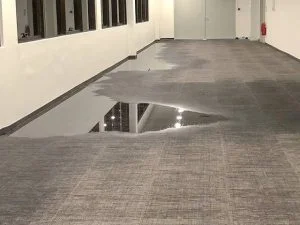
Understanding the common causes behind wet carpets can better prepare you to handle such situations promptly and effectively. One of the most frequent culprits is plumbing issues. Burst pipes, leaking faucets, or faulty water heaters can release substantial amounts of water onto your carpets, leading to significant moisture buildup. Regular maintenance of your plumbing system and immediate attention to any leaks can help mitigate this risk.
Another prevalent cause of wet carpets is inclement weather. Heavy rains and flooding can seep into your home, especially if you have inadequate drainage systems or poorly sealed windows and doors. Ensuring proper waterproofing and having a robust drainage system in place can help protect your carpets from becoming saturated during storms. Additionally, roof leaks can also contribute to carpet wetting, making it vital to regularly inspect and maintain your roof.
Accidental spills and overflows are also common scenarios leading to wet carpets. Whether it’s a tipped-over glass of water, an overflowing bathtub, or a pet accident, these incidents can quickly result in soaked carpets. Prompt action in blotting and cleaning these spills can prevent the moisture from seeping deep into the carpet fibers and padding. Furthermore, malfunctioning appliances such as washing machines and dishwashers can also cause unexpected water releases, emphasizing the importance of regular appliance maintenance.
By being aware of these common causes and taking proactive measures, you can minimize the chances of dealing with wet carpets. Understanding the sources of moisture will enable you to act quickly and efficiently, ensuring that your carpets remain dry and your home stays comfortable and healthy.

The moment you discover that your carpet is wet, immediate action is imperative to prevent further damage and potential health hazards. The first step is to remove any furniture or objects from the affected area. This not only prevents further soaking but also allows you to address the wet carpet without obstruction. Placing these items in a dry, safe space will help ensure they don’t contribute to additional moisture problems.
Next, you should assess the extent of the moisture. Determine whether the wetness is superficial or if it has permeated through to the padding and subfloor. This assessment will guide your drying strategy. For superficial wetness, blotting the area with clean, absorbent towels can help remove excess moisture. Press down firmly to draw out as much water as possible, and consider using a wet/dry vacuum for more efficient water extraction. For deeper moisture, more intensive drying methods will be required.
Once you have removed as much surface water as possible, it’s time to promote air circulation. Open windows and doors to allow fresh air to flow through the room, which will help evaporate the remaining moisture. If the weather doesn’t permit this, use fans and dehumidifiers to aid the drying process. Position fans to blow air directly over the wet area, and place dehumidifiers in the room to pull moisture out of the air. This combination of airflow and humidity control is crucial for effective carpet drying.
By following these initial steps, you can significantly reduce the risk of mold growth and structural damage to your carpet. Quick and decisive action will set the stage for further drying efforts, ensuring that your carpet returns to its dry and comfortable state as soon as possible.
While DIY methods can be effective for minor wetting incidents, there are times when professional carpet drying services are necessary. If your carpet has been exposed to significant amounts of water, such as from flooding or major plumbing issues, professional intervention is highly recommended. These situations often involve deep moisture penetration that DIY methods may not adequately address.
Professional carpet drying services have access to advanced equipment and technologies that can thoroughly dry your carpet, including its padding and subfloor. High-powered extraction machines, industrial-grade dehumidifiers, and specialized air movers are just some of the tools that professionals use to ensure comprehensive drying. They also possess the expertise to assess the extent of the damage and implement the most effective drying strategies.
Another critical reason to call for professional help is the potential for mould growth. If your carpet remains wet for more than 24-48 hours, the risk of mould and mildew increases significantly. Mould can cause serious health issues and structural damage to your home. Professional services not only dry the carpet but also treat it with antimicrobial solutions to prevent mold growth. They can also conduct mold testing and remediation if necessary.
In summary, while DIY methods can be effective for minor incidents, professional carpet drying services or water restoration services are essential for major water exposure and to prevent mold growth. Their expertise and advanced equipment ensure that your carpet is thoroughly dried and safe, providing peace of mind and protecting your investment.
Preventing mould and mildew growth after your carpet has been wet is critical for maintaining a healthy living environment. The first step in mould prevention is to ensure that the carpet is dried as quickly as possible. Utilizing fans, dehumidifiers, and wet/dry vacuums can expedite the drying process. However, it’s also important to monitor the humidity levels in the room. Keeping the indoor humidity below 60% can significantly reduce the chances of mould development.
Another effective method for mould prevention is the application of antimicrobial treatments. These treatments can be sprayed onto the carpet to inhibit the growth of mould, mildew, and bacteria. Many professional water restoration services offer antimicrobial treatments as part of their drying process.
Regular inspection of the carpet and surrounding areas is also crucial. Check for any signs of visible mould, musty odor or visible spots, and address these issues immediately. If you suspect mould growth beneath the carpet, it may be necessary to lift the carpet and inspect the padding and subfloor. In cases of extensive mould growth, professional remediation services should be contacted to safely and effectively remove the mould.
By taking these preventative measures, you can protect your home from the harmful effects of mould and mildew. Quick drying, humidity control, antimicrobial treatments, and regular inspections are all key components in maintaining a mould-free environment after your carpet has been wet.

Maintaining a dry carpet in high humidity areas can be challenging, but with the right strategies, it is certainly achievable. One of the most effective ways to combat humidity is by using dehumidifiers. These devices remove excess moisture from the air, helping to keep your carpets dry. Place dehumidifiers in rooms with high humidity levels, and ensure they are appropriately sized for the space.
Another useful tip is to ensure proper ventilation in your home. Good airflow can help reduce humidity levels and prevent moisture buildup. Open windows and doors when weather permits, and use exhaust fans in areas prone to high humidity, such as kitchens and bathrooms. Ceiling fans can also help circulate air and keep the environment dry.
Regular carpet cleaning and maintenance are also crucial in high humidity areas. Schedule routine professional cleanings to remove any dirt and debris that can trap moisture in the carpet fibers. Additionally, consider using carpet protectors or sealants that can create a moisture barrier, preventing humidity from penetrating deep into the carpet.
By implementing these tips, you can effectively manage humidity levels and keep your carpets dry and in excellent condition. The combination of dehumidifiers, proper ventilation, and regular maintenance will help you maintain a comfortable and healthy living environment.
Long-term carpet care and maintenance are essential for preserving the beauty and functionality of your carpets. Regular vacuuming is one of the most fundamental aspects of carpet maintenance. Vacuum at least once a week, and more frequently in high-traffic areas, to remove dirt, dust, and debris that can accumulate and cause wear and tear on the carpet fibers.
In addition to vacuuming, professional carpet cleaning should be scheduled periodically. Professional cleanings, typically recommended every 12-18 months, can remove deep-seated dirt and stains that regular vacuuming may not reach. These cleanings can also refresh the carpet fibers and extend the life of your carpet.
Preventative measures can also play a significant role in long-term carpet care. Use doormats at entryways to reduce the amount of dirt and moisture brought into the home. Encourage family members and guests to remove their shoes before walking on the carpet. Additionally, promptly address any spills or stains to prevent them from setting in and becoming more challenging to remove.
By following these long-term care and maintenance practices, you can ensure that your carpets remain in excellent condition for years to come. Regular cleaning, professional maintenance, and preventative measures will help protect your investment and keep your home looking beautiful.
In conclusion, keeping your carpets dry and fresh is essential for maintaining a healthy and aesthetically pleasing home environment. Quick action and the right tools are crucial when dealing with wet carpets. Understanding the importance of rapid drying, recognizing common causes of wet carpets, and taking immediate steps can prevent further damage and health risks. Whether you choose DIY methods or professional services, ensuring thorough drying is key to preserving your carpet’s integrity and appearance.
Preventing mould and mildew growth, especially in high humidity areas, requires proactive measures such as using professional equipment is a requirement. If you are in any doubt about doing the job yourself a professional water restoration company is by far the best solution. We also thoroughly recommend a company with experience in mould testing, inspection and remediation so that they have the capability to do the complet job.


