


NAVIGATE TO ANYWHERE IN THE BLOG BY CLICKING ON ONE OF THE ABOVE
Thermal cameras, also known as infrared cameras, operate by detecting the heat emitted from objects and converting it into an image. All objects with a temperature above absolute zero emit infrared radiation, which is invisible to the naked eye. Thermal cameras are equipped with sensors that can detect this radiation and translate it into a visual representation, commonly known as a thermogram. The thermogram uses a color palette to represent different temperatures, allowing users to see variations in heat signatures.
The core component of a thermal camera is the microbolometer, a type of sensor that measures infrared radiation. Microbolometers are composed of materials that change resistance when heated by infrared radiation. These changes are measured and processed to create a detailed image, with warmer objects appearing in brighter colors and cooler objects in darker shades. This technology enables thermal cameras to operate effectively in complete darkness, through smoke, fog, and other visual obstructions.
Thermal cameras also incorporate advanced algorithms to enhance image quality and provide accurate temperature measurements. These algorithms adjust for factors like ambient temperature and emissivity, the efficiency with which an object emits infrared radiation. By calibrating these variables, thermal cameras ensure precise readings and high-resolution images, making them invaluable tools in various applications such as security, maintenance, and wildlife observation.
Thermal cameras have a wide range of applications across different industries, enhancing safety, efficiency, and productivity. In the field of security and surveillance, thermal cameras are used to detect intruders, monitor large areas, and enhance perimeter security. Their ability to detect heat signatures in complete darkness makes them ideal for night-time surveillance, as they can identify individuals and objects that might be hidden from traditional cameras.
In the electrical and mechanical maintenance sector, thermal cameras are invaluable tools for identifying potential issues before they become critical. They are used to inspect electrical panels, motors, and machinery for overheating components, loose connections, and other anomalies that could lead to failures or fires. By detecting these problems early, maintenance teams can take proactive measures to prevent costly downtime and ensure the smooth operation of equipment.
Thermal cameras are also widely used in the medical field for various diagnostic purposes. They can detect abnormalities in body temperature, which can be indicative of infections, inflammations, or other health issues. In veterinary medicine, thermal imaging is used to monitor the health of animals, detecting injuries, infections, and other conditions that might not be visible to the naked eye. Additionally, thermal cameras are employed in search and rescue operations to locate missing persons, as they can detect the heat signatures of individuals in challenging environments.

One of the primary benefits of using thermal cameras is their ability to operate in complete darkness and through obscurants like smoke or fog. This capability makes them indispensable for security and surveillance applications, where visibility might be compromised. By providing clear images regardless of lighting conditions, thermal cameras enhance situational awareness and enable quicker responses to potential threats or incidents.
Thermal cameras also offer significant advantages in predictive maintenance. By identifying hot spots and thermal anomalies, they allow maintenance teams to address potential issues before they escalate into more serious problems. This proactive approach not only reduces the risk of equipment failure but also extends the lifespan of machinery, ultimately leading to cost savings and improved operational efficiency.
Furthermore, thermal cameras contribute to safety and health monitoring. In industrial environments, they can detect overheating equipment or electrical faults that could pose fire hazards. In medical settings, thermal imaging can be used for non-invasive diagnostics, providing valuable information without the need for physical contact or radiation exposure. This versatility makes thermal cameras a valuable tool in a wide range of applications, enhancing safety, efficiency, and productivity.
When choosing a thermal camera, it’s important to consider the specific requirements of your application. Different models offer varying levels of sensitivity, resolution, and features, so it’s essential to select one that meets your needs. For instance, if you’re using the camera for detailed inspections, a higher resolution model will provide clearer and more accurate images. On the other hand, for general surveillance purposes, a lower resolution camera might suffice.
Another crucial factor to consider is the camera’s temperature range. Different applications require different temperature measurement capabilities. For example, industrial applications might need cameras that can detect very high temperatures, while medical applications might require cameras with a narrower and more precise temperature range. Understanding the temperature requirements of your specific use case will help you choose a camera that provides accurate and reliable readings.
Additionally, consider the camera’s ease of use and compatibility with other systems. Some thermal cameras come with advanced features like wireless connectivity, real-time streaming, and integration with mobile devices or computer systems. These features can enhance usability and allow for more efficient data analysis and sharing. By evaluating these factors and understanding your specific needs, you can select a thermal camera that offers the best performance and value for your application.
When evaluating thermal cameras, several key features should be taken into account to ensure you select the right device for your needs. One of the most important features is the camera’s resolution, which determines the clarity and detail of the thermal images. Higher resolution cameras provide more detailed images, making it easier to identify small temperature differences and pinpoint potential issues.
Another critical feature is the camera’s sensitivity, also known as the noise equivalent temperature difference (NETD). Sensitivity indicates the camera’s ability to detect small temperature variations. A camera with higher sensitivity can detect minute differences in temperature, providing more accurate and detailed thermal images. This is particularly important in applications where precise temperature measurements are crucial, such as medical diagnostics or electrical inspections.
The camera’s lens options and field of view (FOV) are also essential considerations. Different lenses offer varying FOVs, allowing you to choose the most suitable lens for your application. For instance, a wide-angle lens is ideal for surveying large areas, while a narrow FOV lens is better suited for detailed inspections of specific components. Additionally, some thermal cameras offer interchangeable lenses, providing greater flexibility for different tasks.

Thermal imaging and night vision are two technologies often confused with each other, but they operate on fundamentally different principles and are suited for different applications. Thermal imaging relies on detecting infrared radiation emitted by objects, converting it into a visual representation based on temperature differences. This allows thermal cameras to see through complete darkness, smoke, fog, and other visual obstructions, providing clear images regardless of lighting conditions.
In contrast, night vision technology amplifies available light, including infrared light, to create a visible image. Night vision devices use image intensifier tubes to collect and amplify existing light, making it possible to see in low-light conditions. However, night vision requires some level of ambient light to function effectively and is less effective in complete darkness or through visual obstructions like smoke or fog.
While both technologies enhance visibility in low-light conditions, they serve different purposes. Thermal imaging is ideal for detecting heat signatures, making it suitable for applications like security, maintenance, and medical diagnostics. Night vision, on the other hand, is better suited for applications where identifying details and features in low-light environments is essential, such as navigation or wildlife observation. Understanding the differences between these technologies can help you choose the right tool for your specific needs.
Proper maintenance and care are essential to ensure the longevity and optimal performance of thermal cameras. Regular cleaning of the camera lens is crucial, as dust, dirt, and smudges can affect image quality. Use a soft, lint-free cloth and a lens cleaning solution specifically designed for optical equipment to gently clean the lens. Avoid using harsh chemicals or abrasive materials that could damage the lens coating.
In addition to cleaning, it’s important to store the thermal camera in a protective case when not in use. This helps prevent physical damage and protects the camera from environmental factors like moisture, dust, and extreme temperatures. Ensure that the camera is stored in a cool, dry place and avoid exposing it to direct sunlight for extended periods, as excessive heat can damage the internal components.
Regularly check and update the camera’s firmware to ensure it is operating with the latest software enhancements and bug fixes. Manufacturers often release firmware updates that can improve camera performance, add new features, and address any issues. By keeping the firmware up to date, you can ensure that your thermal camera continues to perform optimally and take advantage of the latest technological advancements.
Condensation on windows is a common sign of excess moisture in your home, which can lead to mould growth if not addressed. When warm, humid air comes into contact with cool window surfaces, it condenses into water droplets. This moisture can then drip down and collect on window sills, creating a damp environment that is conducive to mould growth. Frequent or persistent condensation on windows should be taken as a warning sign that your home may have elevated humidity levels.
To address condensation on windows, start by reducing the humidity levels in your home. Use exhaust fans in kitchens and bathrooms to remove excess moisture, and consider using a dehumidifier in areas with high humidity. Improving ventilation by opening windows and using fans can also help reduce condensation. Additionally, insulating windows and using double-pane or storm windows can help prevent temperature differences that lead to condensation.
Regularly cleaning and drying window sills and frames can help prevent mould growth in these areas. If you notice mould starting to develop, clean it immediately with a mixture of water and mild detergent, followed by a disinfectant to kill any remaining spores. By taking proactive steps to manage humidity and condensation, you can reduce the risk of mould growth and protect your home’s indoor air quality.
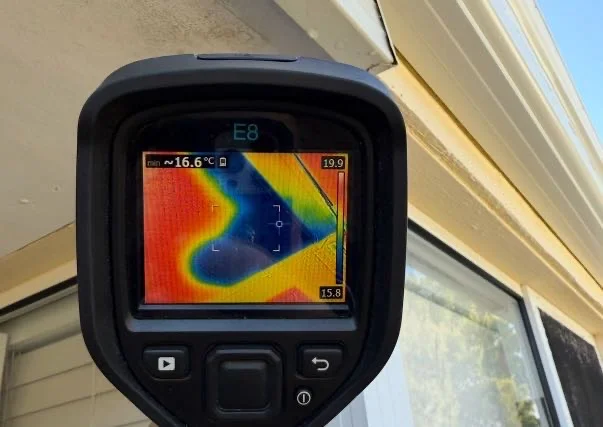
Thermal cameras have revolutionized numerous industries by providing a unique and powerful way to visualize heat. From enhancing security and surveillance to enabling predictive maintenance and medical diagnostics, the applications of thermal cameras are vast and varied. By understanding how thermal cameras work, their benefits, and how to choose the right one for your needs, you can harness the power of this innovative technology to improve safety, efficiency, and productivity.
As thermal imaging technology continues to advance, we can expect even greater capabilities and applications to emerge. Miniaturization, AI integration, and improved sensor performance are just some of the trends that promise to enhance the functionality and accessibility of thermal cameras. By staying informed about these developments and maintaining your thermal camera properly, you can ensure that you are leveraging the full potential of this transformative technology.
In conclusion, thermal cameras are invaluable tools that offer numerous benefits across a wide range of fields. Whether you are using them for security, maintenance, medical diagnostics, or any other application, understanding their capabilities and maintaining them properly will help you maximize their effectiveness. As technology continues to evolve, the future of thermal imaging looks brighter than ever, promising even more innovative solutions to meet the diverse needs of various industries.


