


NAVIGATE TO ANYWHERE IN THE BLOG BY CLICKING ON ONE OF THE ABOVE
Mould is a type of fungus that thrives in damp, warm environments. It reproduces through tiny spores that float through the air and can settle on various surfaces. Once mould spores find a hospitable environment, they begin to grow and spread, often unnoticed until they become a significant problem. Mould can grow on a variety of materials, including wood, paper, carpet, and foods, making it a versatile and persistent invader. While some moulds are beneficial, such as those used in cheese production and antibiotics, mold growth in your home is a serious concern that requires immediate attention.
The key to understanding mold is recognizing that it needs moisture to grow. Leaky pipes, high humidity, and poor ventilation can create the perfect conditions for mould spores to take root and flourish. Mould can grow in hidden areas, such as behind walls and under floors, making it challenging to detect until it has already caused significant damage. Homeowners must be vigilant and proactive in identifying and addressing mold issues to prevent structural damage and health problems.
Different types of mould can pose varying levels of risk. For instance, black mould (Stachybotrys chartarum) is known for its potential to release harmful mycotoxins, whereas other molds may primarily cause allergic reactions. Regardless of the type, any mould growth within your home should be taken seriously. Understanding the basics of mould growth and the conditions that foster it is the first step in protecting your home and health from its adverse effects.
Exposure to mould can lead to a wide range of health issues, particularly for individuals with pre-existing respiratory conditions, allergies, or weakened immune systems. Inhaling mould spores can trigger allergic reactions, including sneezing, runny nose, red eyes, and skin rashes. For those with asthma, mould exposure can exacerbate symptoms and lead to asthma attacks, making it difficult to breathe.
In addition to allergic reactions, mould can cause more severe health problems. Prolonged exposure to mould, especially in high concentrations, can lead to respiratory infections and chronic conditions such as bronchitis. Some types of mould produce mycotoxins, which are toxic substances that can cause serious health issues, including neurological problems and immune system suppression. Symptoms of mycotoxin exposure can range from fatigue and headaches to more severe conditions like memory loss and difficulty concentrating.
Children, the elderly, and individuals with compromised immune systems are particularly vulnerable to the health risks associated with mould exposure. Infants exposed to mold may develop respiratory problems that can persist into adulthood. Given the potential for significant health implications, it is crucial to identify and address mould issues promptly. Understanding the health risks associated with mould exposure underscores the importance of vigilance and proactive measures in maintaining a healthy living environment.

Mould growth in homes is primarily driven by moisture. Leaky roofs, pipes, and windows are common culprits that introduce water into your living spaces, creating ideal conditions for mould to thrive. Even minor leaks can lead to significant mould problems if not addressed promptly. It’s essential to regularly inspect your home for signs of leaks and repair them immediately to prevent mould growth.
High humidity levels within the home can also contribute to mould growth. Humidity levels above 60% provide enough moisture for mould spores to settle and grow. Areas like bathrooms, kitchens, and basements are particularly prone to high humidity. Using dehumidifiers, ensuring proper ventilation, and using exhaust fans in moisture-prone areas can help maintain humidity levels in check and reduce the likelihood of mould growth.
Poor ventilation is another common cause of mould growth. Without adequate airflow, moisture can become trapped in certain areas of the home, such as attics and crawl spaces. This trapped moisture creates a breeding ground for mould. Ensuring proper ventilation throughout your home, such as using fans and opening windows, can help prevent moisture buildup and reduce the risk of mould. Regularly cleaning and maintaining your HVAC system can also improve air circulation and minimize the chances of mould growth.
One of the first signs of mould growth in your home is a persistent musty odour. This smell is often described as earthy, damp, or mildew-like and is typically most noticeable in areas where mould is actively growing. The musty smell is caused by the release of volatile organic compounds (VOCs) as mould breaks down organic materials. These compounds can permeate the air and create an unmistakable odour that should not be ignored.
If you notice a musty odour in your home, it’s essential to investigate the source promptly. The smell may be more pronounced in specific areas, such as basements, bathrooms, or closets, where moisture levels are higher. Pay attention to areas with poor ventilation and high humidity, as these are prime locations for mould growth. Even if you can’t see visible mould, the presence of a musty odour is a strong indicator that mould may be lurking nearby.
To address the musty odour and potential mould growth, start by identifying and eliminating the source of moisture. This may involve fixing leaks, improving ventilation, or using a dehumidifier to reduce humidity levels. Once the moisture issue is resolved, thoroughly clean and dry the affected areas. In some cases, professional mould remediation may be necessary to completely eliminate the mould and its accompanying odour. Taking swift action can help prevent further mould growth and protect your home’s air quality.
Visible mould growth is one of the most obvious and concerning signs of a mould problem in your home. Mould can appear in various forms, including black, green, white, or even orange patches on surfaces. These patches may be fuzzy, slimy, or powdery, depending on the type of mould and the surface it is growing on. Common areas where visible mould growth occurs include walls, ceilings, around windows, and in damp areas such as bathrooms and basements.
It’s important to note that visible mould growth is often just the tip of the iceberg. Mould can grow behind walls, under flooring, and in other hidden areas, making it difficult to assess the full extent of the problem. If you discover visible mould, it’s crucial to investigate further to determine if there is more mould growth in concealed areas. This may require the assistance of a professional mould inspector who can use specialized tools to detect hidden mould.
Addressing visible mould growth involves not only cleaning the affected areas but also identifying and eliminating the underlying cause of the moisture. Simply wiping away the mold may provide a temporary solution, but if the moisture issue is not resolved, the mould will likely return. Depending on the severity of the infestation, professional mould remediation may be necessary to ensure that all mould is effectively removed and steps are taken to prevent future growth.

Water stains on walls and ceilings are a clear indication of moisture problems, which can lead to mould growth if not addressed. These stains often appear as discolored patches or streaks and can vary in color from yellow to brown. Water stains may be caused by a variety of issues, including roof leaks, plumbing leaks, or condensation buildup. It’s essential to identify and repair the source of the water intrusion to prevent further damage and mould growth.
If you notice water stains on your walls or ceilings, it’s crucial to act quickly. Start by inspecting the area for any signs of active leaks or moisture. This may involve checking your roof for damaged shingles, examining plumbing fixtures for leaks, or assessing your home’s insulation for signs of water damage. Once the source of the moisture is identified, make the necessary repairs to prevent further water intrusion.
In addition to addressing the source of the moisture, it’s important to thoroughly dry and clean the affected areas. This may involve using fans, dehumidifiers, and air movers to remove excess moisture. In some cases, it may be necessary to remove and replace damaged materials, such as drywall or insulation, to prevent mould growth. By taking prompt action, you can mitigate the risk of mould and protect your home’s structural integrity.
An increase in allergy symptoms can be a sign of mould growth in your home. Mould spores can cause allergic reactions in sensitive individuals, leading to symptoms such as sneezing, runny nose, itchy eyes, and skin rashes. These symptoms may be more pronounced in certain areas of the home or during specific times of the year when mould growth is more prevalent. If you or your family members experience unexplained allergy symptoms, it’s important to consider mould as a potential cause.
In addition to allergic reactions, mould exposure can exacerbate existing respiratory conditions, such as asthma. Individuals with asthma may experience increased wheezing, coughing, and shortness of breath when exposed to mould spores. These symptoms can be particularly severe in environments with high mould concentrations. If you notice a correlation between your health symptoms and specific areas of your home, it’s essential to investigate further for potential mould growth.
To determine if mould is contributing to your allergy symptoms, start by inspecting your home for other signs of mould, such as musty odours, visible growth, or water stains. Consider using an air quality monitor to measure mould spore concentrations in your home. If you suspect mould is present, take steps to address the issue by eliminating moisture sources and cleaning affected areas. In some cases, professional mould remediation may be necessary to ensure your home is mould-free and your health is protected.
Condensation on windows is a common sign of excess moisture in your home, which can lead to mould growth if not addressed. When warm, humid air comes into contact with cool window surfaces, it condenses into water droplets. This moisture can then drip down and collect on window sills, creating a damp environment that is conducive to mould growth. Frequent or persistent condensation on windows should be taken as a warning sign that your home may have elevated humidity levels.
To address condensation on windows, start by reducing the humidity levels in your home. Use exhaust fans in kitchens and bathrooms to remove excess moisture, and consider using a dehumidifier in areas with high humidity. Improving ventilation by opening windows and using fans can also help reduce condensation. Additionally, insulating windows and using double-pane or storm windows can help prevent temperature differences that lead to condensation.
Regularly cleaning and drying window sills and frames can help prevent mould growth in these areas. If you notice mould starting to develop, clean it immediately with a mixture of water and mild detergent, followed by a disinfectant to kill any remaining spores. By taking proactive steps to manage humidity and condensation, you can reduce the risk of mould growth and protect your home’s indoor air quality.
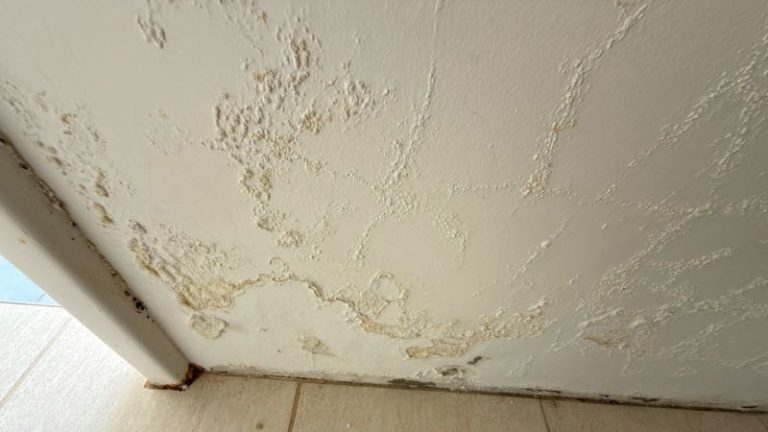
Peeling or bubbling paint is a clear indication of moisture problems within your walls, which can lead to mould growth if not addressed. When moisture infiltrates the wall, it can cause the paint to lose its adhesion and either peel away or form bubbles. This is often a sign of underlying water damage, such as a leaky roof, plumbing issues, or poor ventilation. It’s important to investigate the cause of the moisture and address it promptly to prevent further damage and mould growth.
If you notice peeling or bubbling paint in your home, start by inspecting the affected area for signs of moisture. This may involve checking for leaks, assessing the condition of your roof and gutters, and ensuring that your home has proper ventilation. Once the source of the moisture is identified, make the necessary repairs to prevent further water intrusion. This may include fixing leaks, improving ventilation, or adding insulation to prevent condensation.
After addressing the moisture issue, it’s important to repair and repaint the affected areas. This may involve removing damaged paint, repairing any underlying water damage, and applying a primer and fresh coat of paint. Be sure to use mould-resistant paint in areas prone to moisture, such as bathrooms and kitchens, to provide an extra layer of protection against mould growth. By taking these steps, you can restore the appearance of your walls and prevent future mould issues.
Unexplained moisture or consistently high humidity levels in your home are strong indicators of potential mold growth. Moisture can accumulate in various ways, including through leaks, poor ventilation, or high humidity. When moisture levels remain elevated over time, it creates an ideal environment for mold spores to settle and grow. It’s important to monitor your home’s humidity levels and take action if they remain consistently high.
To identify unexplained moisture, start by using a hygrometer to measure the humidity levels in different areas of your home. Ideally, indoor humidity should be kept between 30% and 50% to prevent mould growth. If you notice that humidity levels are consistently above this range, investigate potential sources of moisture, such as leaks, condensation, or poor ventilation. Addressing these issues promptly can help prevent mold growth and protect your home’s indoor air quality.
In addition to monitoring humidity levels, regularly inspect your home for signs of moisture buildup, such as damp walls, wet floors, or condensation on windows. Use dehumidifiers and exhaust fans to help control humidity, and ensure that your home has proper ventilation to allow moisture to escape. By staying vigilant and addressing moisture issues as they arise, you can reduce the risk of mould growth and maintain a healthy living environment.
Mould growth in your home can pose serious health risks and cause significant damage if not addressed promptly. By understanding the common causes of mould growth and recognizing the warning indicators, you can take proactive steps to protect your home and health. Regularly inspecting your home for signs of mold, addressing moisture issues, and maintaining proper ventilation can help prevent mould growth and ensure a safe living environment.
If you suspect mould in your home, don’t hesitate to take action. Investigate the source of moisture, clean and dry affected areas, and consider seeking professional help if needed. By staying vigilant and proactive, you can keep your home mould-free and enjoy a healthy, comfortable living space.


